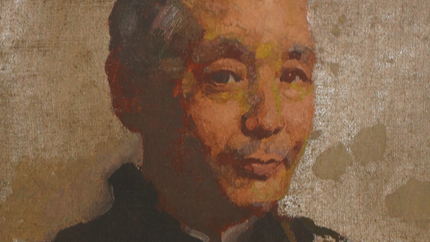
Ren Bonian
任伯年
- 分类: 艺术瑰宝
- ID: 1864209347872870401
Home CategoryArtsRen BonianPlay4.5 minsRen Bonian (1840-1895), from Hangzhou, Zhejiang, was a key figure in late Qing Dynasty (1644-1911) Chinese art. A master of classical ink art, Ren pioneered traditional painting's modernization. As co-founder of the Shanghai School, he reshaped art during China's cultural transition, blending traditional and Western influences.ShareCatalogue1. Early Life and Background2. Influence and Artistic Innovation3. Legacy and Recognition4. Major Exhibitions and Collections
Early Life and Background
Ren Bonian (1840-1895), born in Hangzhou, Zhejiang province, emerged as a pivotal figure in the realm of Chinese art during the late Qing Dynasty. Ren was not only a masterful practitioner of classical Chinese ink art, but he was also a pioneering force in the modernization of traditional Chinese painting. Ren played a crucial role in reshaping the artistic landscape during a time of significant cultural transition in China. This period was marked by the introduction of Western art and culture, which posed both challenges and opportunities for traditional Chinese art forms.
Influence and Artistic Innovation
Ren Bonian was renowned for his ability to blend traditional Chinese painting techniques with elements of Western art. His innovative approach incorporated classical Chinese styles into his works while also embracing modern artistic trends. Ren's art was accessible not only to the elite but also to commoners, reflecting a democratization of art that resonated with a broader audience. His figure paintings became emblematic of a broader trend among artists of the time, who sought to integrate figurative forms into their work while maintaining an intellectual and scholarly touch.
Ren's dedication to modernizing Chinese ink traditions left a lasting influence on subsequent generations of artists. His work was characterized by the inclusion of elements from folk art and popular literary works, which he skillfully merged with the scholarly traditions of classical art. Ren's paintings were celebrated for their vivid depiction of characters and scenes, infused with a modern spirit that appealed to both the intellectual elite and the general public.
Legacy and Recognition
Ren's contributions to the Shanghai School of Painting had a profound impact on the development of modern Chinese art. His ability to adapt and innovate within the framework of traditional Chinese art forms set a precedent for future artists. Ren's legacy is celebrated through numerous exhibitions and collections, including those at the National Art Museum of China and various other institutions. His works, which include both figure and landscape paintings, continue to be admired for their artistic brilliance and cultural significance.
Prominent modern artists such as Xu Beihong have acknowledged Ren's influence on their work. Xu Beihong, a preeminent figure in Chinese art history, once described Ren as an artist who was able to "pictorialize thoughts," underscoring Ren's ability to capture the essence of his subjects beyond their physical appearance. Xu viewed Ren Bonian as a "star of his generation" and an artist who skillfully conveyed the mentality of the times through his art.
Major Exhibitions and Collections
Ren Bonian's work has been showcased in numerous exhibitions, both in China and internationally. The National Art Museum of China has featured some of Ren's most acclaimed figure paintings in its exhibitions, highlighting his accomplishments in the genre. His paintings are part of important collections, including those of the Xu Beihong Memorial Hall in Beijing, where they are displayed alongside Xu Beihong's works to illustrate the dialogue between the two artists.
Ren's art has also been the subject of thematic exhibitions that explore the evolution of Chinese figure painting. These exhibitions provide insight into Ren's artistic journey and his impact on the modernization of Chinese ink art. The significance of Ren's work is further underscored by the efforts of cultural institutions to preserve and promote his legacy, ensuring that his contributions to Chinese art continue to be appreciated by future generations. Article reference1. Zhejiang exhibition revisits achievements of local artistic master. chinaservicesinfo.com. 20232. Figure painting exhibition commemorates pioneer. chinadaily.com.cn. 2021Photo Gallery(9 pictures)CategoriesArtsTagChinese PaintingArtistsRelatedHaipaiFour MonksFigure PaintingCatalogue1. Early Life and Background2. Influence and Artistic Innovation3. Legacy and Recognition4. Major Exhibitions and Collections- - - []








